


Page 38 - GALENIKA MEDICAL JOURNAL
P. 38
daytime blood pressure values ≤ 135/85 mmHg . Over the   Expectedly, the prevalence of isolated nocturnal hypertensi-
                                                 7
          past decade and a half, it has been demonstrated that de-  on is lower and ranges from 6% among Western Europeans
          viations from normal values in arterial blood pressure du-  to 10.9% among residents of Japan .
                                                                                         12
          ring the night (sleep) are associated with damage to target
          organs,  such  as  left  ventricular  myocardial  hypertrophy,
          “silent“ cerebral disease, and albuminuria, as well as sub-  Mechanisms underlying the development
          sequent atherosclerotic and cerebrovascular diseases. For   of non-physiological changes in blood
          all elevated blood pressure values during the night excee-  pressure values during the night
          ding 120/70 mmHg, we use the term nocturnal hyperten-
          sion . In addition to the increase in mean nocturnal values,   Physiological circadian variations in blood pressure are
             8
          with  normal  or  elevated  mean  daytime  values  of  blood   influenced by changes in the activity of the autonomic ner-
          pressure,  nocturnal  hypertension  also  includes  distur-  vous  system  (sympathetic  and  parasympathetic  systems),
          bances  in  the  circadian  rhythm,  namely  non-dipping  and   alterations in the levels of vasopressin, acetylcholine, adre-
                                                             nocorticotropic  hormone,  cortisol,  insulin,  ghrelin,  adipo-
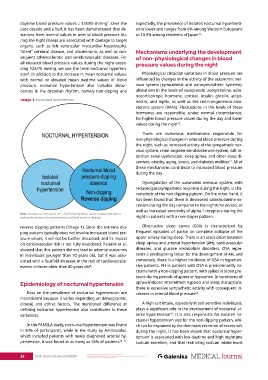
          Image 1. Nocturnal hypertension                    nectin,  and  leptin,  as  well  as  the  renin-angiotensin-aldo-
                                                             sterone system (RAAS). Fluctuations in the levels of these
                                                             hormones  are  responsible,  under  normal  circumstances,
                                                             for higher blood pressure values during the day and lower
                                                             values during the night .
                                                                                13
                                                                There  are  numerous  mechanisms  responsible  for
                                                             non-physiological changes in arterial blood pressure during
                                                             the night, such as increased activity of the sympathetic ner-
                                                             vous system, renin-angiotensin-aldosterone system, salt re-
                                                             tention, renal dysfunction, sleep apnea, and other sleep di-
                                                             sorders, obesity, aging, stress, and diabetes mellitus . All of
                                                                                                       13
                                                             these mechanisms contribute to increased blood pressure
                                                             during the day.

                                                                Dysregulation  of  the  autonomic  nervous  system,  with
                                                             reduced parasympathetic response during the night, is cha-
                                                             racteristic of the non-dipping pattern. On the other hand, it
                                                             has been found that there is decreased catecholamine ex-
                                                             cretion during the day compared to the nighttime period, as
                                                             well as increased sensitivity of alpha 1 receptors during the
          Note: (includes an increase in  AP ≥ 120/70 mmHg which can be isolated and with or
          without the absence of expected nocturnal blood pressure dipping)  night in patients with a non-dipper pattern.
          reverse dipping patterns (Image 1). Since the extreme dip-  Obstructive  sleep  apnea  (OSA)  is  characterized  by
          ping pattern typically does not involve increased blood pre-  frequent  episodes  of  partial  or  complete  collapse  of  the
          ssure values, it will not be further discussed, and its impact   upper airway during sleep. There is an association between
          on cardiovascular risk is not fully elucidated. Palatini et al.   sleep apnea and arterial hypertension (AH), cardiovascular
          showed that this pattern did not lead to adverse outcomes   diseases,  and  glucose  metabolism  disorders.  OSA  repre-
          in individuals younger than 70 years old, but it was asso-  sents a predisposing factor for the development of AH, and
          ciated with a fourfold increase in the risk of cardiovascular   conversely, there is a higher incidence of OSA in hyperten-
          events in those older than 80 years old .          sive patients. AH in patients with OSA is predominantly no-
                                         9
                                                             cturnal with a non-dipping pattern, with spikes in blood pre-
                                                             ssure during periods of apnea or hypopnea. In conditions of
          Epidemiology of nocturnal hypertension             apnea-induced intermittent hypoxia and sleep disruptions,
                                                             there is excessive sympathetic activity with consequent in-
             Data on the prevalence of nocturnal hypertension are   creases in arterial blood pressure .
                                                                                        12
          inconsistent because it varies depending on demographic,
          clinical,  and  ethnic  factors.  The  mentioned  difference  in   A high salt intake, especially in salt-sensitive individuals,
          defining nocturnal hypertension also contributes to these   plays a significant role in the development of nocturnal ar-
                                                                             14
          variations.                                        terial hypertension . It is also responsible for isolated no-
                                                             cturnal hypertension and for the non-dipping pattern, whi-
             In the PAMELA study, nocturnal hypertension was found   ch can be explained by the dominant excretion of excess salt
          in 30% of participants, while in the study by Androulakis,   during the night. It has been shown that nocturnal hyper-
          which included patients with newly diagnosed arterial hy-   tension is associated with low daytime and high nighttime
          pertension, it was found in as many as 50% of patients 10, 11 .   sodium excretion, and that restricting sodium intake leads


          36     DOI: 10.5937/Galmed2409041I

